

WEST PALM BEACH, FL · COMMERCIAL LEAK DETECTION
Commercial Leak Detection in West Palm Beach
A water leak inside a commercial property doesn’t just mean a repair — it can mean disrupted operations, affected inventory, or tenants asking questions you can’t yet answer. Commercial leak detection West Palm Beach property managers call on finds the source of the water, so you know exactly what you’re dealing with before anything else happens.
Serving offices, retail, restaurants, warehouses, and commercial properties throughout West Palm Beach.
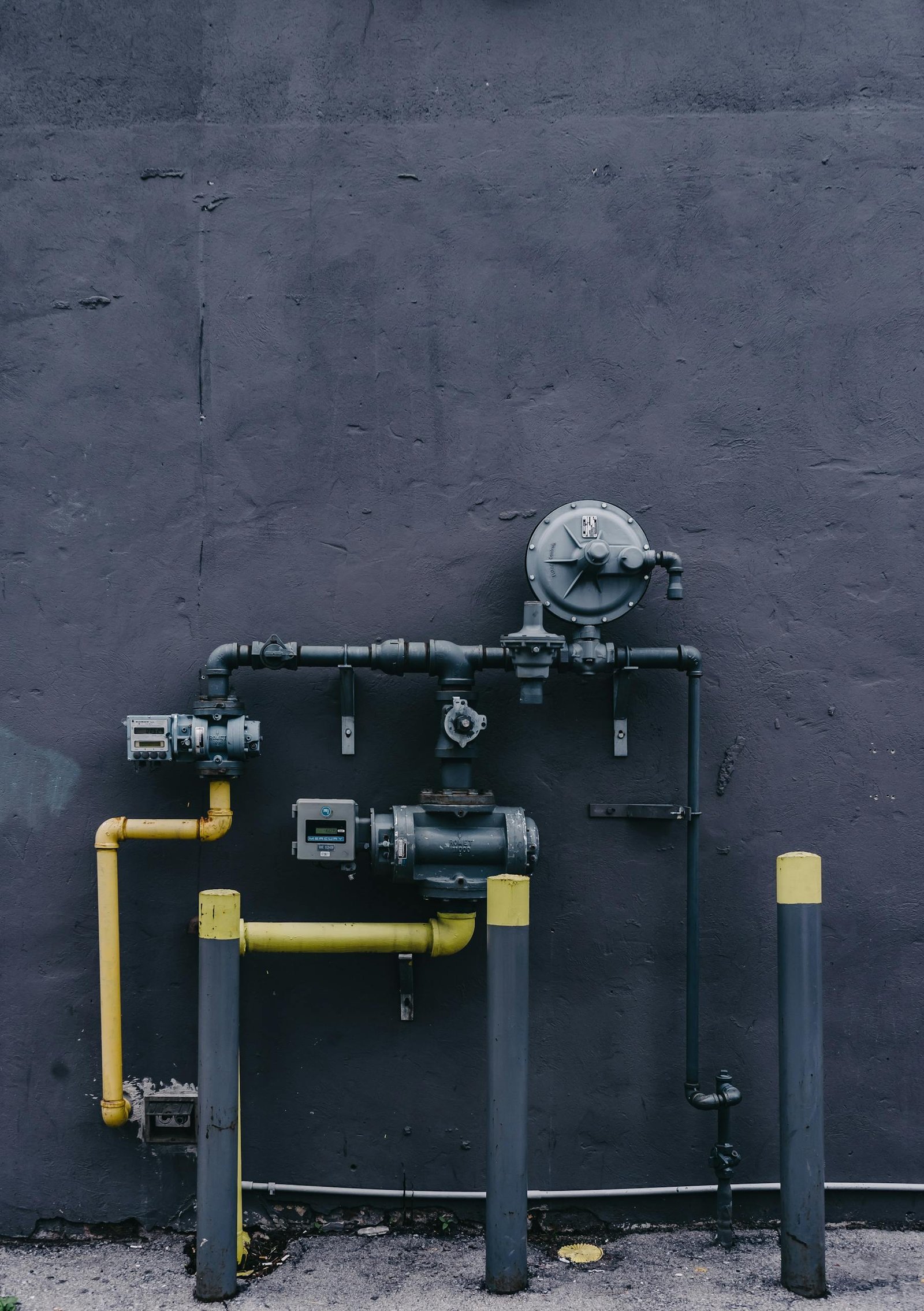
COMMERCIAL PROPERTIES
What is commercial leak detection?
Commercial leak detection is the process of locating the source of a water leak inside or around a commercial property — an office building, retail space, restaurant, warehouse, or multi-unit commercial building — using diagnostic equipment rather than opening up walls or floors based on a guess.
It’s a related but distinct service from residential leak detection, since commercial properties tend to have larger plumbing systems, multiple water-use points, and different layouts than a single-family home. If you’re dealing with a leak in a house rather than a business property, that page is the better starting point.
WARNING SIGNS
Signs of a commercial water leak
None of these signs confirm exactly what’s causing a leak on their own, but together they’re usually enough reason to have the source professionally identified rather than waiting to see if it gets worse: The EPA WaterSense at Work program notes that undetected commercial leaks are a common source of wasted water and rising utility costs in buildings of all sizes.
- A water or utility bill that’s higher than usual with no clear operational reason
- Water appearing inside the building with no obvious source
- Damp or discolored walls
- Ceiling staining or discoloration
- Wet, warped, or lifting flooring
- Water pooling in areas that should stay dry
- A musty odor that keeps returning after cleaning
- Moisture around plumbing fixtures or utility areas
- The same plumbing problem recurring in one area
- A water meter that shows activity when the building is closed and nothing should be running
WHERE LEAKS OCCUR
Common commercial leak locations
Commercial buildings have more water-use points and longer plumbing runs than a typical home, which means there are more places a leak can develop:
- Plumbing and supply lines feeding restrooms, kitchens, or break rooms
- Underground water lines serving the property — see Underground Leak Detection for how these are traced without extensive digging
- Walls and ceilings, particularly around shared plumbing chases in multi-unit buildings
- Floors and slab areas — see Slab Leak Detection for leaks originating beneath the foundation
- Restrooms and utility or mechanical rooms
- Roof-related water intrusion, which shows up differently than a plumbing leak and is covered in more detail below
ROOF-RELATED LEAKS
Commercial roof leak detection
Water intrusion from the roof is one of the most common — and most misleading — sources of interior water damage in commercial buildings. A stained ceiling tile rarely sits directly below the actual entry point; water often travels along roof decking, structural framing, or insulation before it shows up somewhere else entirely.
Why is the visible water stain not always the actual leak source?
Because water follows the path of least resistance once it gets past the roof membrane, not a straight line down. Tracing a roof-related leak means following that path back to where the water is actually entering, rather than assuming the ceiling stain marks the spot.
How is a roof leak different from a plumbing leak?
A plumbing leak originates from a pipe, fitting, or fixture and typically has a more traceable path through walls or under floors. A roof leak originates from the building envelope itself and can travel much further before becoming visible, which is why professional investigation matters more here than almost anywhere else in a commercial building.
Commercial leak detection identifies where roof-related water is entering the building. Repairing the roof itself is a separate step handled outside this service, once the source has been located.
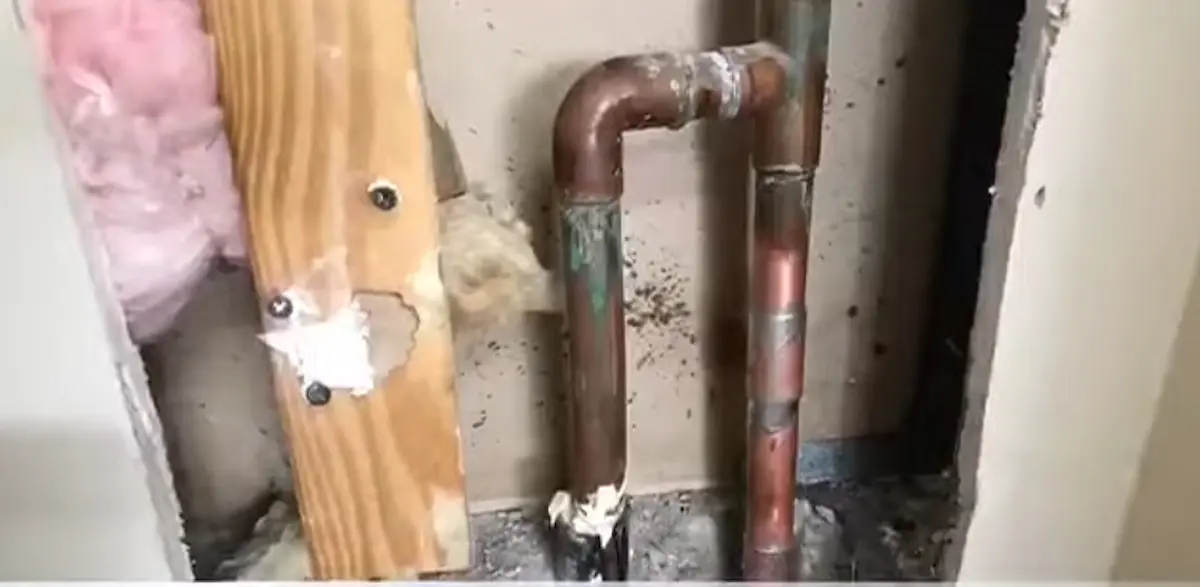
COMMERCIAL VS. RESIDENTIAL
How Commercial Leak Detection West Palm Beach Differs From Residential
The detection methods overlap, but commercial properties bring a different set of practical considerations:
- Larger and more complex plumbing systems with longer runs and more connections
- Multiple occupied areas, tenants, or units that can each be affected differently
- The need to work around business hours and ongoing operations
- Multiple water-use points spread across a single property or a property-management portfolio
- A greater need for clear documentation that can be shared with owners, boards, or property managers
If you’re managing a single home rather than a business property, residential leak detection is built around that scale and those situations instead.
THE PROCESS
Commercial leak detection process
Every commercial visit follows the same core sequence, adjusted for the size of the property and what’s being reported:
- Initial discussion — a conversation with the property representative about what’s been noticed and where
- Review of reported symptoms — walking through the areas that have been flagged
- Inspection of accessible areas — checking visible plumbing, fixtures, and utility areas first
- Water usage / meter observations where relevant — confirming whether water is moving through the system when it shouldn’t be
- Pressure testing where appropriate — isolating which section of the building’s plumbing is losing pressure
- Acoustic detection — listening equipment traces the sound of the leak toward its source
- Thermal imaging where useful — adding information about temperature differences from moving water
- Moisture assessment — checking how far water may have traveled into flooring, walls, or ceilings
- Investigation of the suspected source — narrowing in on the most likely origin point
- Pinpointing and documenting the location — recording findings in a way that’s useful for property records
- Communicating findings — a clear explanation of what was found and what the next step looks like for the property representative
DETECTION VS. REPAIR
Leak detection vs. leak repair
Commercial leak detection identifies and documents where a leak is coming from — it doesn’t include the repair work itself. Once the source is located, you’ll get a clear explanation of what was found and what repair would involve, with a real price before anything starts. If you decide to move forward with repair, a portion of what you paid for detection applies toward that repair work.
Detection doesn’t obligate the property to repair through us — it means the owner, manager, or board has accurate information to make that decision instead of guessing.
WHEN TO CALL
When should a business call a commercial leak detection service?
Persistent unexplained water usage, visible interior water damage, recurring moisture problems in the same area, or any of the warning signs above that keep showing up are all good reasons to have the source confirmed rather than waiting to see if it resolves on its own.
If water is actively flooding a space in your building right now, that’s an urgent situation rather than a routine inspection — see Emergency Leak Detection for immediate response.
Think Your Commercial Property Has a Leak?
Get a clear answer on where it’s coming from, so you can make an informed decision about what happens next.
WHO WE WORK WITH
Property Types and Roles We Support
Commercial leak detection covers a wide range of property types and the people responsible for them, including business owners handling a leak in their own space, property managers and facility managers overseeing one or more buildings, HOA boards responsible for shared or common-area plumbing, and owners or managers of apartment and other multifamily properties, offices, retail properties, restaurants, hotels, and warehouses. The underlying detection methods stay consistent — what changes is how the findings are communicated and to whom, since a board or property management company often needs documentation that a single business owner may not.
MORE SCENARIOS
Additional Commercial Leak Scenarios
Beyond the plumbing, underground line, slab, and roof scenarios already covered above, a few other situations come up regularly on commercial properties:
- Irrigation leaks — landscaping and irrigation systems on commercial grounds run their own separate lines, and a break in one can drive up water usage without any interior sign at all.
- Commercial pools, spas, and fountains — hotels, HOAs, and multifamily properties with a shared pool, spa, or water feature have the same plumbing and structural leak points found in a residential pool, just often at a larger scale.
- Sewer-related issues — a drain or sewer line problem can sometimes present similarly to a water supply leak, and ruling one in or out is part of a thorough inspection.
- Water distribution systems — larger properties and multi-building portfolios often have more complex distribution piping between a main service connection and individual units or buildings, which can mean more sections to test.
- Difficult-to-access leaks — mechanical rooms, ceiling plenums, below-grade areas, and occupied tenant spaces all add complexity to accessing a suspected leak area, which is factored into how an inspection is scheduled and carried out.
- Leaks that could interrupt business operations — for a restaurant, hotel, or retail space, minimizing disruption during inspection matters as much as finding the leak itself.
NON-INVASIVE BY DESIGN
Why Non-Invasive Detection Matters for Commercial Properties
Opening walls, ceilings, or flooring in a business space affects more than the repair budget — it can mean closed areas, disrupted tenants, or lost operating hours. Non-invasive detection methods (pressure testing, acoustic listening, thermal imaging, and moisture assessment, as outlined in the process above) are used specifically to confirm a leak’s location before any demolition happens, so that if opening a wall or floor does become necessary, it’s a small, targeted opening rather than an exploratory one.
Camera Inspection
Where a drain or sewer line is part of what’s being investigated, a camera inspection can visually confirm the condition of the line and rule it in or out as a contributing factor, complementing the pressure, acoustic, and thermal methods used on the pressurized water side of the system.
Why Documentation Matters for Property Managers and Owners
A property manager, HOA board, or business owner often needs to explain a water issue to someone else — an owner, a board, a contractor, or an insurance adjuster. A clear record of what was found, where, and how it was confirmed gives that documentation a factual basis rather than a verbal description after the fact. This is useful for coordinating repair work with a contractor and for supporting a claim, though whether a specific claim is covered is determined by the insurer and the property’s policy, not by the detection findings themselves.
COMMON QUESTIONS
Frequently asked questions
What is commercial leak detection?
Commercial leak detection is the process of locating the source of a water leak inside or around a commercial property, such as an office, retail space, restaurant, or warehouse, using diagnostic equipment rather than guesswork.
How do I know if a commercial building has a water leak?
Common indicators include a water bill that’s higher than usual with no clear operational reason, water appearing inside the building, damp or discolored walls or ceilings, wet flooring, or a water meter that shows activity when the building is closed.
What are the signs of a hidden commercial water leak?
Hidden leaks often show up as a musty odor that keeps returning, moisture around plumbing or utility areas, recurring plumbing problems in the same spot, or water meter movement with no explanation, even when nothing is visibly wrong yet.
How is commercial leak detection different from residential leak detection?
Commercial properties typically have larger, more complex plumbing systems, multiple occupied areas or tenants, and operating hours to work around, along with a greater need for documentation that can be shared with owners or property managers. The core detection methods are similar, but the scale and coordination are different.
What is commercial roof leak detection?
It’s the process of tracing water intrusion back to where it’s actually entering the building through the roof. Because water can travel along roof decking or structural framing before becoming visible, the stain you see is often not directly above the actual entry point.
Can a commercial water leak be hidden behind walls or ceilings?
Yes. Acoustic detection and thermal imaging can often narrow down the likely location of a leak behind a wall or ceiling without opening up finished space, though some situations may still require a small access point to confirm the exact source.
Can underground commercial water leaks be detected without extensive excavation?
In many cases, yes. Acoustic and thermal methods are used to trace an underground leak’s likely position before any digging is done. For more detail, see our Underground Leak Detection page.
How does professional commercial leak detection work?
It starts with a discussion of what’s been noticed, followed by inspection of accessible areas, water usage observations, and equipment such as acoustic listening devices, thermal imaging, and pressure testing to narrow down and confirm the likely source.
What equipment is used for commercial leak detection?
Depending on the situation, equipment can include acoustic listening devices, thermal imaging cameras, and pressure testing tools, used together with a visual inspection and a review of water usage.
Can leak detection identify the source of water damage?
Leak detection identifies where the water is coming from. It doesn’t assess the full extent of resulting structural or property damage, which may require a separate evaluation depending on the situation.
When should a business call a commercial leak detection service?
Persistent unexplained water usage, visible interior water damage, or recurring moisture problems in the same area are all good reasons to have the source confirmed. If water is actively flooding a space right now, that’s an emergency situation instead.
How can a property manager check for an unexplained water leak?
One useful check is reviewing water meter activity during a period when the building should be closed and nothing should be running. Movement during that window suggests water is flowing somewhere it shouldn’t be.
What should I do if I suspect a leak in a commercial building?
Note what you’ve observed, such as when a stain appeared or when the water bill changed, and have that information ready when you contact a commercial leak detection service so the visit can be focused on the right areas.
Does commercial leak detection include repair?
Detection and repair are separate steps. Once a leak is located, you’ll receive a clear explanation of the findings and a real price for repair before any repair work begins. A portion of the detection cost applies toward that repair if you move forward.
Do you work with HOAs and multifamily or apartment properties?
Yes. HOA boards and owners or managers of apartment and other multifamily properties deal with many of the same shared-plumbing and common-area leak scenarios as other commercial properties, and the same detection process applies.
Can you detect leaks in commercial irrigation systems?
Yes. Irrigation lines on commercial grounds are tested the same way underground plumbing is — pressure testing to isolate the affected zone, followed by acoustic detection to narrow down the exact location.
Will detection work interrupt our business operations?
The methods used are chosen specifically to minimize disruption, and inspections can typically be scheduled around business hours or occupied areas. Some coordination is usually needed for access to mechanical rooms or shared plumbing chases, but the goal is always to work around normal operations wherever possible.
Can documentation from an inspection be used for insurance or contractor purposes?
The findings and documentation from an inspection can be shared with a contractor for repair planning or with an insurance adjuster as supporting information. Whether a specific claim is covered depends on the property’s policy and the insurer’s own review, not on the detection findings alone.