

WEST PALM BEACH, FL · SLAB, POOL & FIXTURE LEAKS
24/7 West Palm Beach Leak Detection.
Find the leak without tearing up your home
Non-invasive leak detection for West Palm Beach homes and pools — slab leaks, pool leaks, hidden fixture leaks, and irrigation leaks located and explained in plain English, with a real price before any work starts.
✓ Licensed & insured technicians ✓ 60-day guarantee on findings ✓ Serving 33401 · 33405 · 33407
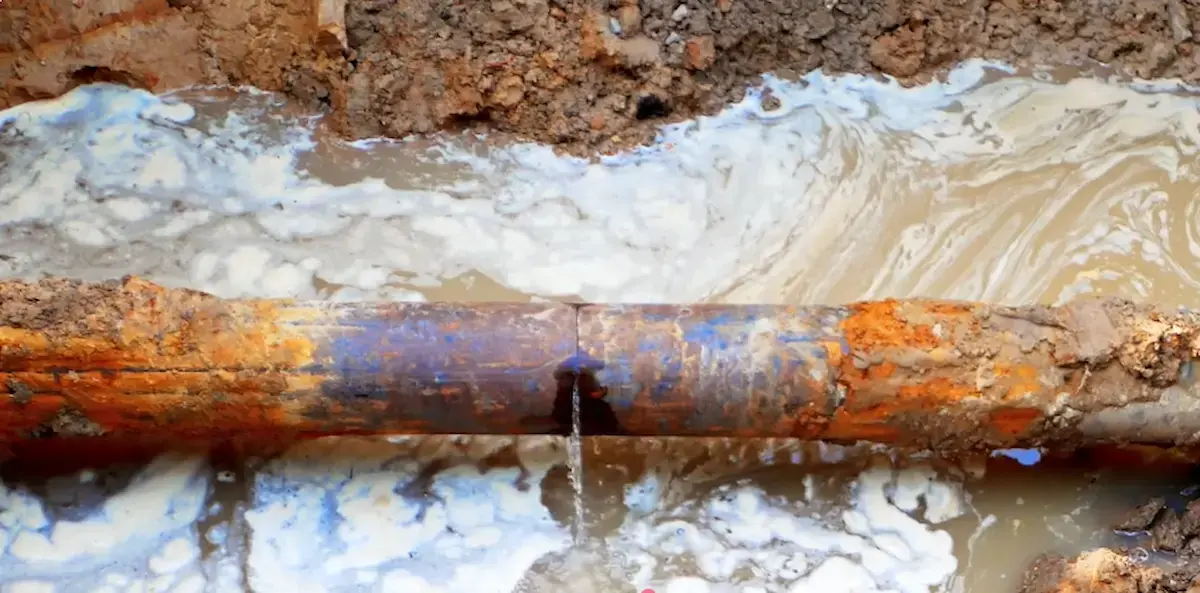
LIVE READOUT — ACOUSTIC LISTENING PASS
01:52
Avg. time to pinpoint
0″
Digging required (typical)
60d
Findings guarantee
✓ Professional Leak Detection
✓ Non-Invasive Detection Methods
✓ Local West Palm Beach Service
✓ Clear Findings, Explained Plainly
✓ Upfront Communication on Price
✓ Emergency Availability
WHO WE ARE
A local team that tests before it guesses
As a trusted name in leak detection, West Palm Beach homeowners call on our licensed and insured team, serving El Cid, Old Northwood, Flamingo Park, Grandview Heights, and the surrounding neighborhoods. Every visit starts with pressure testing, acoustic listening, or thermal imaging, never a guess-and-cut approach, so you get a confirmed leak location and a real price before any work begins.
Licensed & Insured
Fully licensed and insured for every job we take on.
Local to West Palm Beach
We know the soil, the plumbing ages, and the neighborhoods, because we work in them every week.
Testing First, Never Guessing
You see the confirmed leak location and a real price before any cutting or repair starts.
THE WARNING SIGNS
Six signs you have a hidden leak
Most leaks stay hidden, which is exactly why leak detection West Palm Beach homeowners trust matters. They’re under the slab, inside a wall, or beneath a foot of pool deck concrete. Here’s what usually gives them away.
Unexplained water bill spike
Nothing changed at home, but your bill did — the single most common reason people call us.
Running water, all faucets off
Most noticeable at night, when a quiet house makes a pressurized leak easy to hear.
A warm spot on the floor
If a water heater line runs beneath it, this almost always points to a hot-water slab leak.
Cracked flooring or drywall
Moisture trapped under tile or behind a wall breeds mold fast in Florida’s humidity — another reason to call our leak detection West Palm Beach crew early.
Pool losing over ¼″ a day
A little daily evaporation is normal, especially in summer heat — more than that deserves a real test.
Green patch or standing water
Often an irrigation line — less commonly a sewer line — leaking underground. Our leak detection West Palm Beach team finds it fast.
LOCAL FACTORS
Why West Palm Beach homes leak more than most
- SOIL — The ground shifts beneath your slab. Sandy, porous soil over the Biscayne Aquifer moves with every heavy rain, and most homes here are slab-on-grade.
- AGE — Original copper, 30–50 years old. Neighborhoods like El Cid, Old Northwood, Flamingo Park, and Grandview Heights still run largely on their original piping.
- WATER — Lime-softened, still moderately hard. City water drawn from the aquifer accelerates internal corrosion and scale buildup over decades. This is exactly why leak detection West Palm Beach residents call on us before corrosion turns into a real leak.
- CLIMATE — A long, heavy wet season. June through November brings rising groundwater that pushes harder on pipes already under strain.
KNOW WHAT YOU’RE DEALING WITH
Common types of residential & commercial water leaks we detect
Different leaks hide in different places and give off different warning signs. Here’s a quick reference for what usually points to what.
| Leak Type | Common Warning Signs | Common Location | Detection Method |
|---|---|---|---|
| Slab Leaks | Warm spot on floor, unexplained bill spike, sound of running water | Under the foundation slab | Acoustic listening, thermal imaging |
| Underground Water Leaks | Green patch of grass, soft or soggy ground, low water pressure | Supply lines between meter and home | Acoustic listening, ground microphone |
| Pool Leaks | Water loss beyond normal evaporation, wet deck area | Skimmers, main drains, underground plumbing | Pressure testing, dye testing |
| Irrigation Leaks | Unusually high bill, a soggy or sunken area of yard | Underground sprinkler lines | Pressure testing, visual inspection |
| Wall / Ceiling Leaks | Staining, bubbling paint, musty smell | Behind drywall, above ceiling lines | Moisture detection, thermal imaging |
| Plumbing Line Leaks | Dripping sounds, cabinet moisture, corroded fittings | Supply lines under sinks or in walls | Pressure testing, acoustic detection |
| Sewer Line Issues | Slow drains, sewage odor, recurring backups | Underground drain and sewer lines | Camera inspection |
| Commercial Water Leaks | High shared water bills, tenant complaints, unexplained loss | Shared or main supply lines | Acoustic detection, pressure testing |
WHAT WE FIND
Leak detection services
Non-invasive equipment first, every time — not guesswork sold as a repair estimate.
Slab & Underground Leaks
Acoustic and thermal imaging for a leak under the slab, or ground tracing for one out in the yard.
Pool & Spa Leaks
Pressure and dye testing for skimmers, main drains, and underground pool plumbing.
Fixture & Appliance Leaks
Water heaters, toilets, and supply lines found before they become a mold problem.
Emergency Service
Active leak you can’t shut off? We prioritize same-day appointments.
Commercial & HOA
Shared-line diagnostics and documentation for property managers and boards.
HOW WE FIND IT
Professional leak detection methods
No single method finds every leak. We choose the right combination based on what you’re describing and what the equipment tells us once we’re on site.
| Method | Best For | What It Detects | Invasive? |
|---|---|---|---|
| Acoustic Leak Detection | Slab and underground supply line leaks | The sound of pressurized water escaping a pipe | No |
| Thermal Imaging | Hot-water slab leaks, wall moisture | Temperature differences caused by escaping water | No |
| Pressure Testing | Isolating which line or section is leaking | A pressure drop in a specific plumbing section | No |
| Electronic Leak Detection | Pool shells and pond liners | Electrical current escaping through a leak point | No |
| Dye Testing | Pool skimmers, drains, visible fittings | The exact point water is being pulled through | No |
| Camera Inspection | Sewer and drain lines, especially older pipe | Cracks, blockages, and pipe condition inside the line | Minimal (access point only) |
| Moisture Detection | Wall and ceiling leaks | Elevated moisture levels behind drywall or flooring | No |
Professional detection vs. guessing
| Professional Detection | DIY Guessing |
|---|---|
| Accuracy: equipment isolates the leak to a small, specific area | Relies on guesswork and visible symptoms only |
| Equipment: acoustic, thermal, and pressure-testing tools | None beyond what’s already in the home |
| Leak location: marked and shown to you before any work starts | Unknown until something is opened up |
| Property damage: typically one small, correctly-placed opening | Often several incorrect openings before finding it |
| Time: usually resolved within hours | Can take days of trial and error |
| Documentation: a dated report for insurance or repair | No documentation to work from |
WHAT WE USE
Professional leak detection equipment
Non-invasive and minimally invasive tools, chosen based on the leak type and where it’s likely hiding. No method is certain on its own, which is why we typically combine two or more.
Acoustic Leak Detection Equipment
Listens for the specific sound of pressurized water escaping a pipe underground or under a slab. Helps identify slab and underground supply leaks.
Thermal Imaging Camera
Reads surface temperature differences left behind by a hot-water leak under tile or slab. Helps identify hot-water slab leaks.
Pressure Testing Equipment
Isolates which section of plumbing is losing pressure, narrowing the search before further testing. Helps identify slab, pool, and irrigation leaks.
Electronic Leak Detection Equipment
Traces electrical current escaping through a breach in a pool shell or liner. Helps identify pool and spa shell leaks.
Sewer / Drain Camera
A waterproof camera fed through the line to visually inspect pipe condition and locate damage. Helps identify sewer and drain line issues.
Moisture Detection Equipment
Measures moisture levels behind drywall, flooring, and other finished surfaces. Helps identify wall and ceiling leaks.
QUICK REFERENCE
Visual guides to hidden leaks
5 Warning Signs of a Hidden Leak
- Unexpected water bill increase
- Sound of running water
- Damp spots on floors or walls
- Warm flooring
- Unexplained water loss
How Leak Detection Works
- Inspect
- Test
- Locate
- Confirm
- Mark
Slab Leak Warning Signs
- High water bill
- Warm floor
- Damp flooring
- Cracks or moisture
- Sound of running water
Hidden Leak vs. Visible Leak
- Hidden: under slab, in walls, underground — found only with equipment
- Visible: dripping fixture or exposed pipe — often fixable directly
THE VISIT
What actually happens, step by step
No surprises, no guesswork sold as certainty.
01
You describe it
A high bill, a sound, a wet spot — it tells us where to start.
02
We test first
Pressure testing and a meter check often rule out entire sections in minutes.
03
We narrow it down
Acoustic sensors and thermal imaging isolate the exact area.
04
We mark and show you
You see it, not just hear about it.
05
We quote a real number
Before any cutting or repair work begins.
REAL PROJECTS
Leak detection results
A simple look at how a hidden leak goes from unknown to found. Photos below are placeholders until project-specific images are added.
Hidden Slab Leak
Problem: Homeowner noticed a warm spot on the tile and a rising water bill. Detection: Acoustic listening and thermal imaging. Found: A pinhole leak in a hot-water line beneath the slab. Result: Leak marked precisely, no exploratory demolition needed.
Wet Interior Wall
Problem: Staining and a musty smell appeared along a lower wall. Detection: Moisture detection and thermal imaging. Found: A slow leak from a supply line inside the wall cavity. Result: Leak location marked for the smallest possible repair access.
Pool Water Loss
Problem: Pool was losing noticeably more water than the bucket test accounted for. Detection: Pressure and dye testing. Found: A separated skimmer fitting below the waterline. Result: Exact fitting identified without draining the pool.
Example project types shown for illustration. Photos and project-specific details will be added as documentation becomes available.
IN PRACTICE
Real leak detection case studies
A closer look at how symptoms turn into a confirmed leak location. These examples reflect the kinds of cases we see regularly in these neighborhoods and walk through the process end to end, not client testimonials.
EL CID · SLAB LEAK
A warm spot in the hallway tile
Problem: Homeowner noticed a warm spot on the hallway tile and a water bill that had nearly doubled from the month before.
Symptoms: Warm flooring, a rising water bill, no visible water anywhere in the house.
Testing: A pressure and meter check isolated the hot water line, then acoustic listening and thermal imaging pinpointed the exact spot beneath the slab.
Finding: A pinhole leak in the original 1980s copper supply line running under the hallway.
Result: The leak was marked within about two feet, confirmed before any tile was removed, with a firm repair quote given the same visit.
FLAMINGO PARK · POOL LEAK
Topping off the pool every other day
Problem: Homeowner was adding water to the pool nearly every other day, and the bucket test showed the pool dropping noticeably faster than the bucket.
Symptoms: Frequent top-offs, a damp patch near the equipment pad, no visible cracks in the deck.
Testing: Pressure testing on the return and suction lines individually, followed by dye testing at the skimmer and main drain.
Finding: A failed seal at the skimmer throat, where it had pulled slightly away from the pool shell.
Result: Confirmed without draining the pool, and repaired at the skimmer only, with no deck or shell work needed.
OLD NORTHWOOD · UNDERGROUND LEAK
A soggy patch of yard that would not dry out
Problem: A consistently wet patch of yard near the water meter, and a jump in the bill despite no change in household water use.
Symptoms: Soft, wet ground in one spot, a higher bill, the meter still spinning with everything in the house shut off.
Testing: A meter check confirmed continuous flow, then acoustic listening traced the sound along the buried irrigation line.
Finding: A cracked section of underground irrigation pipe a few feet before the nearest sprinkler head.
Result: The leak was isolated to a three-foot section, dug up, and repaired in a single visit.
REAL NUMBERS
What leak detection costs
We’d rather tell you a range than make you call to find out.
MINOR LEAK
Fixture, accessible pipe, or straightforward pool skimmer
- Usually resolved within 1–2 hours of testing
- Lower end of our pricing range
- Often same-day availability
MAJOR / HARD-TO-LOCATE
Deep slab leaks, multiple suspected sources, larger properties
- More equipment time, priced accordingly
- Portion of detection fee applied to repair if you proceed with us
- Exact price given before any work starts
See the full West Palm Beach leak detection cost guide for ranges across every leak type.
AFTER YOUR VISIT
What you receive after a leak detection visit
- ✓ Leak location findings
- ✓ Explanation of testing performed
- ✓ Photos when applicable
- ✓ Areas inspected
- ✓ Recommended next steps
- ✓ Documentation when available
- ✓ Repair information when applicable
WHAT IT LOOKS LIKE
Example leak detection report
A simplified sample of the kind of findings summary you’d receive. Actual reports vary by property and what testing reveals.
SAMPLE FINDINGS SUMMARY
Customer Concern: Unexpected increase in water usage
Initial Inspection: Visible plumbing areas inspected
Testing Performed: Pressure testing, acoustic detection, thermal inspection
Finding: Potential leak location identified
Location: Marked on the surface for repair reference
Recommended Next Step: Professional plumbing repair evaluation
This is an example format for educational purposes. Actual findings vary by property and leak conditions.
WHERE WE WORK
Serving West Palm Beach and the surrounding area
From historic homes near Clematis Street and Flagler Drive to the high-rises around Rosemary Square — and neighboring Lake Worth.
Zip codes: 33401, 33405, 33407
Neighborhoods: El Cid, Old Northwood, Flamingo Park, Grandview Heights, Historic Northwest, Rosemary Square / Downtown, Northwood Village, Intracoastal Corridor, Lake Worth
We also provide leak detection in Greenacres and leak detection in Riviera Beach, along with other nearby Palm Beach County communities.
WHY HOMEOWNERS CALL US
No cutting, no guessing, no surprise bill
- ✓ Licensed and insured — every technician is background-checked and covered.
- ✓ Non-invasive first, always — detection comes before demolition, not instead of it.
- ✓ We explain as we go — you understand the equipment’s findings, not just a bill.
- ✓ Real pricing before real work — no “call for a quote” games.
- ✓ 60-day guarantee on every finding we report.
- ✓ We work directly with adjusters when a claim is involved.
COMMON QUESTIONS
Frequently asked questions
How do I know if I need a plumber or a leak detection company?
If you already know the exact source — a visible pipe under a sink — a plumber can fix it directly. If the leak is hidden under a slab, inside a wall, or underground, a specialist with acoustic and thermal equipment finds the exact spot first, which usually means less cutting and a cheaper repair overall.
Is leak detection covered by my homeowners insurance?
Sometimes, depending on your policy and the cause. We provide detailed, dated reports with photos and video you can submit directly to your adjuster.
How much pool water loss is normal versus a leak?
Up to about a quarter-inch per day from evaporation is normal, more in peak summer heat. Beyond that consistently, it’s worth a real pressure and dye test.
Will you have to dig up my yard or cut into my floor?
In most cases, no. Acoustic and thermal equipment pinpoint the leak without demolition. If access is eventually needed for repair, we mark the smallest possible area.
Why does West Palm Beach see so many slab leaks specifically?
Sandy soil shifts with rainfall, a large share of homes still run original 1970s–90s copper, the city’s water is moderately hard, and our long wet season adds pressure on top of all three.
Do you offer emergency or same-day appointments?
Yes. If water is actively leaking and you can’t shut it off, call us directly and we’ll prioritize getting a technician to you the same day.
How much does leak detection cost in West Palm Beach?
It depends mostly on how hidden the leak is. Fixture and pool skimmer leaks tend to be on the lower end; deep or hard-to-locate slab leaks take more equipment time and cost more. See our full cost breakdown for real ranges by leak type.
How long does leak detection typically take?
A straightforward fixture or pool leak is often confirmed within an hour or two. Slab leaks with a clear signature can also be found quickly; deeper or multi-source leaks take longer since we’re testing and ruling out sections methodically.
What are the signs of a slab leak?
A warm spot on the floor, an unexplained water bill spike, the sound of running water with everything off, and cracked flooring or drywall are the most common signs.
How can I tell if I have an underground water leak?
Look for a consistently green or soggy patch of yard, a drop in water pressure, or a water bill that’s climbed with no change in usage.
How do you detect pool leaks specifically?
We start with pressure testing to isolate which plumbing line is losing pressure, then use dye testing at skimmers, drains, and fittings to pinpoint the exact spot.
Can a high water bill indicate a hidden leak?
Yes — it’s the single most common reason people call us. If your usage habits haven’t changed but your bill has climbed, that’s worth investigating before it becomes a bigger repair.
What equipment is used for leak detection?
Acoustic listening equipment, thermal imaging cameras, pressure testing gear, dye testing, and camera inspection for drain lines, depending on the leak type.
Do you repair the leak after you find it?
We provide a real repair quote once the leak is located, and a portion of the detection fee is applied toward the repair if you move forward with us.
What should I do if I suspect an emergency leak?
If you can safely shut off the water at the main, do that first, then call us. We prioritize same-day appointments for active leaks that can’t be shut off.
Stop guessing. Find the leak.
Call now and we’ll walk you through what’s likely happening — then send someone out to prove it.