

PALM BEACH GARDENS, FL · GOLF COMMUNITY & IRRIGATION LEAKS
24/7 Palm Beach Gardens Leak Detection.
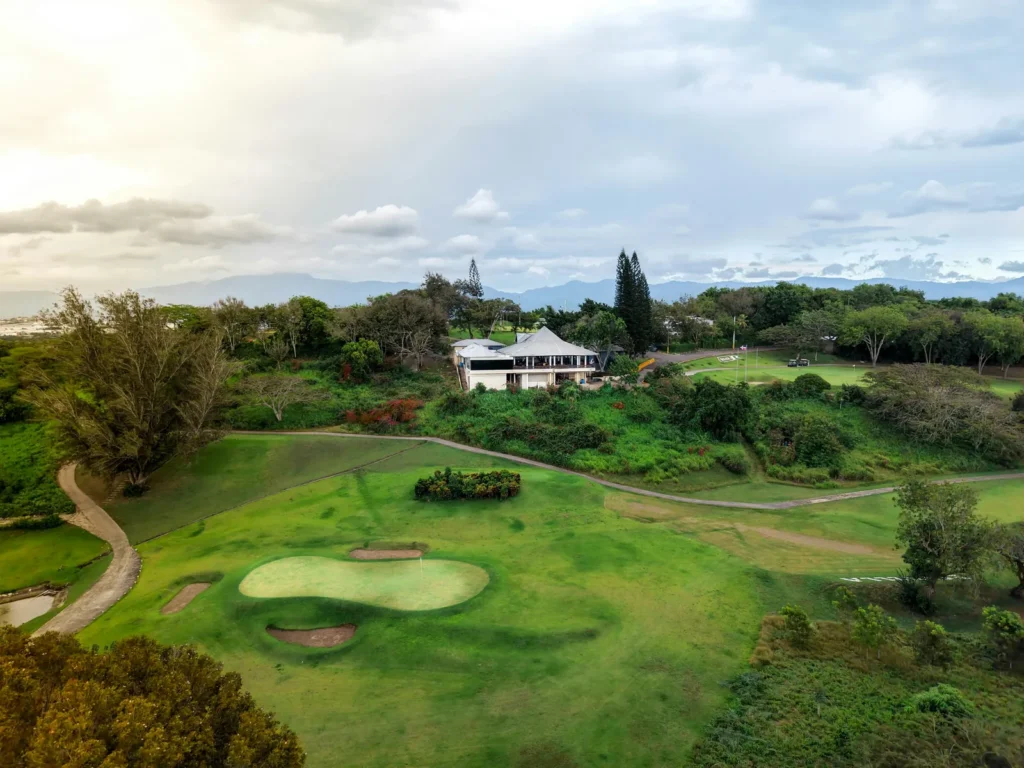
Palm Beach Gardens was built around golf — PGA National, BallenIsles, Frenchman’s Creek, and a dozen other communities where the fairways are as much a part of daily life as the front door. The homes here range from newer construction in planned developments to established neighborhoods with mature landscaping, and nearly all of them share two things: long buried pipe runs and irrigation systems that work hard all year.
That combination shapes how leaks behave. A supply line in a larger home has more joints, more bends, and more footage to fail in. Irrigation zones run before dawn, so a broken lateral can run for weeks before the bill tells the story. Leak Detection West Palm Beach provides non-invasive leak detection Palm Beach Gardens, FL — separating house plumbing from outdoor plumbing, then tracing the loss to its source, with no exploratory digging across a manicured lawn.
✓ Serving 33410 · 33412 · 33418
Where hidden leaks hide in Palm Beach Gardens homes
The usual suspects here look a little different than in the older coastal cities to the south:
- Long supply runs. Bigger footprints mean more pipe under the slab and through walls — more joints, more potential failure points, and longer distances for a leak’s symptoms to travel from its source.
- Irrigation manifolds and zones. With multiple zones, valves, and lateral lines, an outdoor leak can mimic a house leak on the water bill. We isolate the irrigation first so we’re chasing the right system.
- Pool plumbing and water features. Equipment pads, autofill lines, and decorative fountains add buried plumbing most homeowners forget about until something goes wrong. A pool autofill line that sticks open, or a small leak in the equipment plumbing, can lose hundreds of gallons a day without any visible sign at the pool itself — the water just disappears, and the bill climbs. If the pool is the suspect, our pool leak detection service covers it separately, so the pool system is tested on its own instead of being mixed in with the house plumbing.
- Second-floor laundry and guest baths. Supply lines serving upper floors and rarely used bathrooms can leak quietly inside walls for a long time before showing themselves.
- Main service lines. The run from the water meter to the house is often long in these communities, and a break there shows up only as a spinning meter and a high bill — no damp patch, no sound, nothing visible. The line is usually buried under the driveway or front lawn, so the leak can run for weeks before anyone notices. A meter test with the house isolated tells us whether the loss is on the service line or inside the house, and pressure testing narrows it to a section before any digging is considered.
Newer construction doesn’t mean leak-proof
A lot of Palm Beach Gardens housing is newer than the coastal cities to the south, and newer homes absolutely get leaks. Construction-era fittings age, soil settles under slabs, and South Florida water pressure is famously hard on supply lines. Pinhole leaks turn up in homes that look practically new — age helps, but it doesn’t immunize plumbing. If anything, the long pipe runs in larger newer homes just give a leak more places to hide.
Irrigation leaks: the Palm Beach Gardens specialty
If your water bill spikes but the house shows no symptoms — no sounds, no warm spots, no damp drywall — the irrigation system is suspect number one. A zone valve that sticks open keeps its zone running long after the timer stops — sometimes all night, every night. A cracked lateral line waters the soil from below without ever breaking the surface, so the only sign is a bill that keeps climbing, or one patch of lawn that stays greener than the rest. Sprinkler heads themselves rarely cause the big losses; the failure is usually underground, at a valve, a fitting, or a lateral joint. Our approach is methodical: we shut down and isolate the irrigation, watch the meter — if it stops, the loss is outdoors — then test zone by zone, isolating each valve and lateral line in turn until the losing zone is found. Most irrigation leaks are found this way without disturbing a single sprinkler head.
How we pinpoint leaks without digging up your yard
- We walk the property with you. House, pool equipment, irrigation zones — we map what’s connected to what before touching a single instrument.
- A meter test with the house isolated tells us whether the loss is indoors, outdoors, or both.
- Pressure testing narrows it to a section; acoustic listening narrows that section to a small area.
- Thermal imaging can pick up hot-water line leaks under tile and slab — the same technology behind our thermal leak detection scans.
- We mark the spot and walk you through what we found — where the loss is, which system it’s on, and what it means for the repair. Your plumber or irrigation contractor gets a precise target instead of a vague work order, and you keep the marked location and the findings to share with them. What you receive is the identified location and a clear explanation of it — not a guess, and not a repair quote.
Why homeowners here call before the bill gets worse
Water isn’t cheap, and a leak that runs around the clock adds up fast. Beyond the bill, trapped moisture in walls and under flooring feeds mold in our humid climate, and an under-slab leak left alone can undermine the soil beneath the foundation. Early detection turns a potential renovation into a single repair — which is the entire point of calling a specialist instead of waiting. If your home sits on a slab and the symptoms point under the floor, our slab leak detection process handles that case specifically.
Areas we serve in Palm Beach Gardens
We provide leak detection throughout Palm Beach Gardens, including PGA National, BallenIsles, the Frenchman’s Creek area, and surrounding neighborhoods. Many of these are gated golf communities, so we arrange gate access in advance and share the findings with your HOA or property manager when needed. Our Palm Beach Gardens service area covers ZIP codes 33410, 33412, and 33418. Our home base is Leak Detection West Palm Beach, and we serve the greater West Palm Beach area every day.
A high water bill with no visible cause is a leak until proven otherwise. If you need leak detection Palm Beach Gardens, call (728) 224-6444 and we’ll prove it one way or the other.
Frequently asked questions
Can you tell whether the leak is in my house plumbing or the irrigation system?
Yes — that’s one of the first things we determine. By isolating the irrigation system from the house plumbing and watching the water meter, we can see which side is losing water before we spend any time searching the wrong one. If the meter stops when the irrigation is shut off, the loss is outdoors. If it keeps moving with the irrigation off and everything in the house off, the loss is indoors.
My water bill spiked but I don’t see any water anywhere. What should I do?
Start with the meter test: turn off everything in the house, including ice makers and pool autofills, and watch the meter. If it’s still moving, water is going somewhere it shouldn’t. Then shut off the irrigation at its valve: if the meter stops, the leak is in the irrigation system; if it keeps moving, the leak is in the house plumbing or the main service line. The most common culprits in Palm Beach Gardens are irrigation zone valves, pool autofill lines, and under-slab supply leaks — all things we can pinpoint non-invasively.
Do you work with HOAs in gated golf communities?
Yes. We regularly work in gated communities around Palm Beach Gardens and coordinate gate access in advance. When you book, tell us the gate procedure and the HOA contact — we’ll arrange access ahead of the visit so nothing is delayed at the gate. Our findings are documented on-site, which is useful if your HOA or property manager needs to be involved.
Will you have to dig up my yard to find the leak?
Usually not. Detection relies on pressure testing, acoustic listening, thermal imaging, and moisture meters, so in most cases nothing is dug up. We mark the leak’s location so that if any digging is needed for the repair, it’s limited to one small, precise spot. If the evidence doesn’t confirm a leak path non-invasively, further investigation may be needed — and that would be discussed with you first.