

DELRAY BEACH, FL · SLAB, POOL & FIXTURE LEAKS
24/7 Delray Beach Leak Detection.
A hidden water leak in a Delray Beach home rarely announces itself. The first sign is usually a water bill that no longer makes sense, a warm patch on the tile floor, or a faint hissing sound behind a wall when everything is turned off. Many Delray Beach homes sit on concrete slabs with supply lines running underneath, so a failing pipe is invisible from the surface — you only see what it does to your floors, your walls, and your water bill.
Leak Detection West Palm Beach provides leak detection Delray Beach, FL for homeowners and property managers who want answers before damage spreads. Using acoustic listening equipment, thermal imaging, and pressure testing, we pinpoint the location of hidden leaks — often within a very small area — so repairs happen in one spot instead of five. No exploratory digging, no torn-up rooms, no guesswork.
✓ Serving 33444 · 33445 · 33446
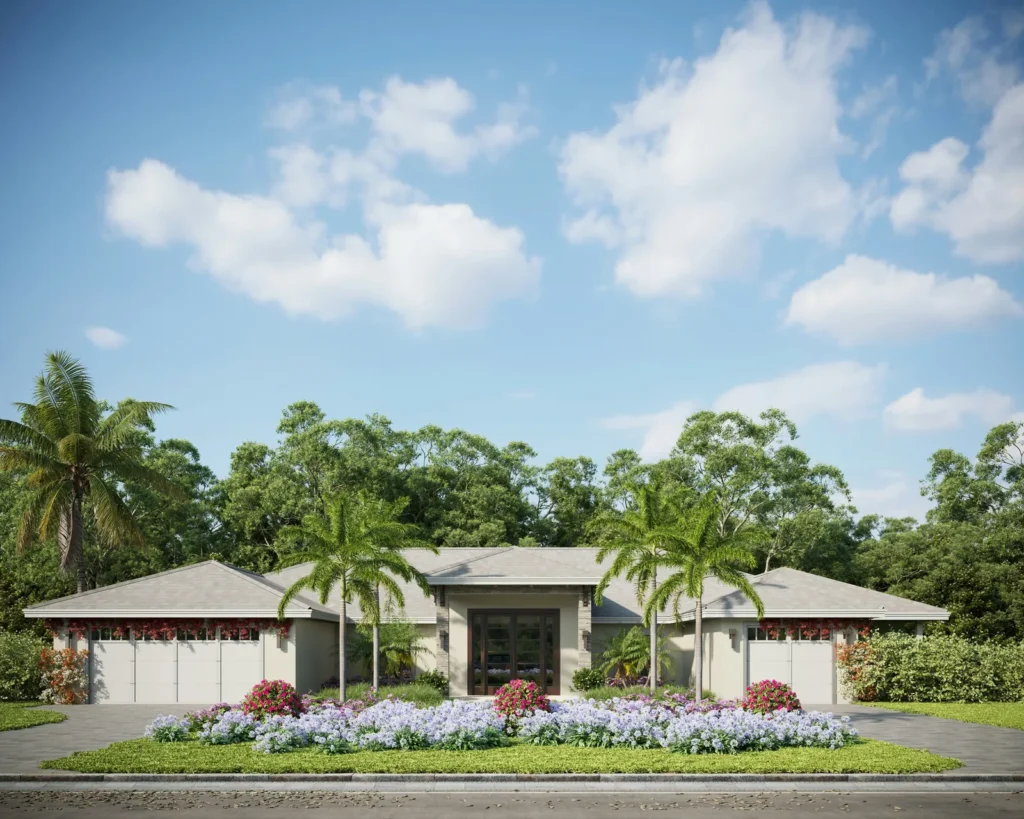
off. Many Delray Beach homes sit on concrete slabs with supply lines running underneath, so a failing pipe is invisible from the surface — you only see what it does to your floors, your walls, and your water bill.
Leak Detection West Palm Beach provides leak detection Delray Beach, FL for homeowners and property managers who want answers before damage spreads. Using acoustic listening equipment, thermal imaging, and pressure testing, we pinpoint the location of hidden leaks — often within a very small area — so repairs happen in one spot instead of five. No exploratory digging, no torn-up rooms, no guesswork.
The services we provide in Delray Beach cover every place water can hide in and around a home:
- Slab leaks
- Underground water-line leaks
- Water supply line leaks
- Pool plumbing leaks
- Irrigation leaks
- Hidden wall and ceiling leaks
- Main water-line leaks
Why hidden leaks are so common in Delray Beach homes
Delray Beach has a housing mix that keeps leak detection busy. Mid-century ranch homes in neighborhoods like Tropic Palms, established communities such as Delray Isles, large 55+ communities like Kings Point, and newer construction near Downtown Delray and the beachside all share a few risk factors:
- Slab-on-grade construction. Most Delray Beach homes were built on concrete slabs with water lines routed underneath. When a pipe fails down there, there is nothing to see — the leak has to be located with instruments, not eyesight.
- Older plumbing in established neighborhoods. Homes in Delray Isles, Tropic Palms, and the neighborhoods near the Intracoastal often still carry original copper or galvanized supply lines that corrode from the inside out, especially at joints and bends.
- Sandy, shifting coastal soil. The soil around Delray Beach moves with heavy rain and a high year-round water table, which stresses buried pipes and loosens connections over time.
- Condo plumbing stacks. In large communities like Kings Point, aging risers and shared supply lines can leak into walls and ceilings, sometimes affecting more than one unit before anyone notices.
- Irrigation and pool plumbing. With year-round lawns and pools, many Delray Beach properties have extensive buried water lines beyond the house itself — more pipe means more places for a leak to hide.
Two lines deserve a word of their own. The underground water line carries water from the street to your house, and a leak there often shows up as a wet patch, a soft spot in the yard, or a bill that climbs for no clear reason. The main supply line is the first section of that run — from the meter to the house — and it is a pressurized water line, not a sewer line. Pressure testing and suitable locating equipment can confirm whether either line is losing water, and finding it early means the repair can stay targeted instead of turning into unnecessary excavation.
Signs you may have a hidden water leak
Any one of these deserves attention. Two or more together are a strong reason to have the system tested before the damage spreads:
- A water bill that jumps without any change in how you use water
- The water meter moves even when every fixture is turned off
- Warm or hot spots on tile or concrete floors
- The sound of running water when nothing is running
- Musty odors, damp baseboards, ceiling stains, or paint that bubbles and peels
- Grout lines or flooring that crack or lift for no obvious reason
- A noticeable drop in water pressure
Outdoors, a buried line can show itself in the yard: unusually wet or muddy patches, grass growing faster in one area than the rest, water pooling without any rain, or an unexpected drop in water pressure. A wet yard does not always mean a water-line leak — irrigation and drainage can cause the same signs — but when it appears alongside a rising bill or a moving meter, it is worth testing.
A quick check you can do yourself is the meter test. Turn off every faucet and water-using appliance, make sure no toilet or other fixture is running, then check the meter’s low-flow indicator or reading. Wait a while without using any water, then check again. If the meter has moved, water is going somewhere — but the test cannot tell you where the leak is. If it keeps moving, professional testing is the next step.
How we find leaks without tearing your home apart
Our process is built around one idea: locate first, open up second. Here is what a typical visit looks like:
- We start with your symptoms. The bill, the sound, the warm spot — these clues tell us which part of the plumbing to investigate first.
- Meter check and isolated pressure testing. Isolating sections of the system and watching how each holds pressure quickly rules lines in or out, narrowing the search before any instruments come out.
- Acoustic listening. Specialized sensors pick up the distinct sound of pressurized water escaping from a pipe, even through concrete and soil, narrowing the leak to a small area.
- Thermal imaging. A hot-water line leaking under tile or slab leaves a temperature footprint that an infrared camera can see. Our thermal leak detection scans make the invisible visible without touching a surface.
- A marked location and a clear explanation. You get the leak’s position identified on-site and a straightforward explanation of what we found and what the sensible next step looks like.
Slab Leak Detection Delray Beach, FL
Under-slab leaks are the most serious hidden leaks we see in Delray Beach’s slab-on-grade homes. The classic trio — a rising water bill, warm spots on the floor, and the sound of running water — usually means a hot-water line has failed beneath the foundation. Left alone, a slab leak can wash out soil under the slab, damage flooring, and feed mold growth. Our slab leak detection service is designed specifically for this problem, pinpointing the break so a plumber can repair one precise spot instead of guessing.
When several of these signs appear together, slab leak detection Delray Beach FL is the right next step — it can confirm whether the problem is under the slab, though symptoms alone cannot prove the exact cause.
Several factors can contribute over time. Hot-water pipes expand and contract with every temperature change, and where a pipe is poorly supported or rubs against concrete, that movement can wear the pipe at contact points. Older copper and galvanized lines also corrode from the inside out, and copper can develop pinhole leaks from formicary corrosion. Sandy, shifting soil and changing moisture around the slab add movement, while water pressure and pipe condition affect how much stress a line carries. No single factor explains every slab leak — it is usually a combination, and only testing can confirm what is happening under a particular home.
What to do after we find your leak
Finding the leak is the hard part; fixing it is usually straightforward once its exact position is known. With a marked location in hand, your plumber can open a single small area rather than cutting exploratory holes across the house. That is the whole point of non-invasive detection: one precise repair, minimal disruption, and a problem solved before it turns into a renovation. If your home has a pool and you are losing water there instead, ask about our pool leak detection service as well.
Detection and repair are two different jobs. Detection identifies the source and location of a leak; repair fixes the damaged pipe, and that part is done by your plumber. Accurate detection is what keeps the repair small — one opening in the right place instead of several exploratory ones — which means less unnecessary demolition, earlier identification of hidden damage, and less risk of ongoing water loss. We do not promise a dollar saving; the saving is in avoiding work that was never needed.
Neighborhoods and ZIP codes we serve
We provide leak detection throughout Delray Beach, including Downtown Delray and the Atlantic Avenue corridor, Delray Isles, Tropic Palms, Kings Point, the beachside neighborhoods east of the Intracoastal, and surrounding areas. Our Delray Beach service area covers ZIP codes 33444, 33445, 33446, and 33483. If you are nearby but outside these ZIPs, call and ask — Leak Detection West Palm Beach serves the greater West Palm Beach area.
If you suspect a hidden leak, the worst thing you can do is wait for it to reveal itself — by then it has usually done its worst. If you need leak detection Delray Beach, call (728) 224-6444 and we will find it first.
Frequently asked questions
How do you find a leak without breaking up my floors or concrete?
Our detection work is entirely non-invasive. We combine pressure testing, acoustic listening equipment, and thermal imaging to narrow the leak down to a small area. Nothing gets cut, drilled, or dug up during detection — we mark the spot so any repair can be surgical rather than exploratory.
How much does leak detection cost in Delray Beach?
It depends on the size of the property, the type of leak, and the equipment needed to find it. We will explain exactly what is involved before any work begins, so you know what to expect. Call +1 (728) 224-6444 and we will talk through your situation.
How long does a leak detection visit take?
Most residential visits are completed in a single appointment. The exact time depends on the size of the home and how many lines need to be tested, but we work efficiently and you will have answers the same day.
Do you work in condo communities like Kings Point?
Yes. We regularly work in condo and 55+ communities around Delray Beach. We can coordinate with property managers or HOAs when common lines or shared walls are involved, and document our findings so everyone is working from the same facts.